Handmade Ceramics in Lisbon: Why Restaurant Tables Are Going Local

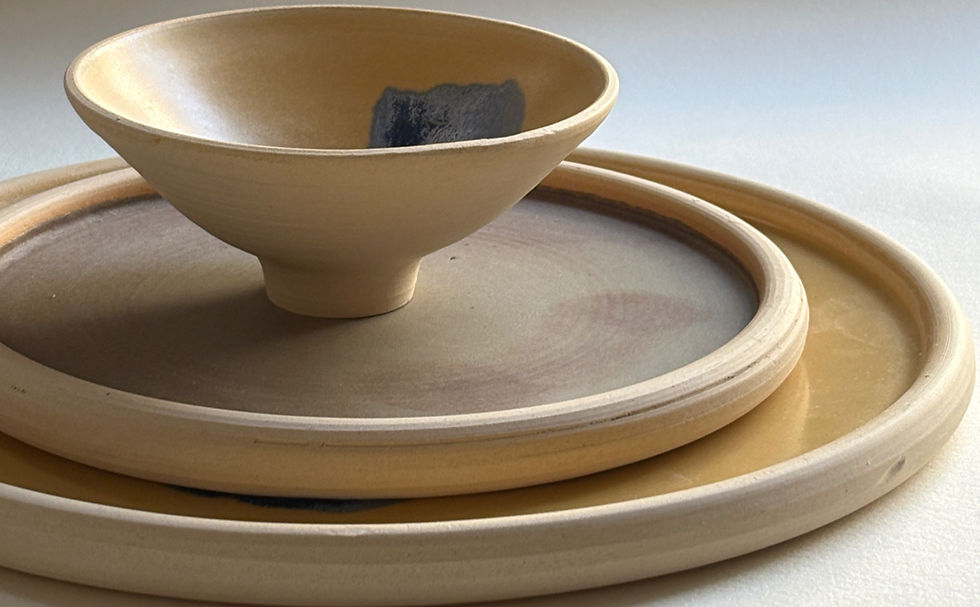
Modern dining in Lisbon is not only about what arrives on the plate. Increasingly, the plate itself is part of the idea. In restaurants where chefs think carefully about ingredients, seasonality, sourcing, and atmosphere, bright white factory dinnerware can feel strangely anonymous. Handmade ceramics offer something different: texture, weight, color, small variations, and a visible relationship to the person who made them.
White porcelain is not disappearing, and not every restaurant needs rustic pottery. The shift is simpler than that. Tableware has become another design decision. For chefs, hospitality teams, and diners interested in handmade ceramics in Lisbon, custom stoneware can connect food, craft, and place in a way mass produced dinnerware rarely does.
Why handmade ceramics in Lisbon are changing restaurant tables
A dish does not stop at the edge of the food. The color of the surface, the depth of a bowl, the width of a rim, and even the weight in the hand influence how we experience what is served. Tableware is part frame, part tool, and part atmosphere.
Factory dinnerware is useful because it is consistent. Handmade ceramics make a different offer. Small shifts in glaze, profile, and surface can make a table feel less standardized while still belonging to one visual family, even when the menu changes.
When farm to table thinking reaches the tableware
The Lisbon farm to table movement has made origin part of the dining conversation. Restaurants talk about growers, fishermen, bakers, winemakers, and the season. Handmade tableware extends that curiosity to the object holding the food.
A hand finished bowl does not pretend to be anonymous. You can see a glaze change over an edge, feel the clay beneath a satin surface, and notice that two pieces from the same family are related rather than cloned. The food and vessel can share one idea: material, place, and process matter.
Texture changes how a dish is read
Matte and satin glazes absorb light differently from glossy white porcelain. Speckled clay can warm pale ingredients. A deep bowl gathers broth and aroma, while a wide low plate creates more space around precise plating. The goal is not to make the ceramics louder than the food. Good tableware supports the dish and adds a tactile layer before the first bite.
Is handmade stoneware durable enough for restaurants?
One persistent myth is that handmade ceramics are too fragile for a busy dining room. In reality, well designed high fired stoneware can be dense, resilient, and practical for repeated service. The important phrase is well designed.
Durability depends on the clay body, firing, glaze fit, thickness, rim, foot, and shape. A beautiful plate with an extremely thin edge may chip quickly. A heavy bowl may survive service but become tiring to carry. A glaze can look perfect in a sample and still be the wrong choice if it marks easily under cutlery.
Restaurant durability starts at the design stage
Shape should stack efficiently without locking together.
Rims need enough strength for repeated handling and washing.
Weight should feel substantial without making service harder.
Glazes should be suitable for food contact and compatible with the clay body.
Replacement pieces should remain visually consistent enough to join an existing set.
Handmade does not have to mean precious. The best custom restaurant tableware is designed to be used, washed, stacked, replaced when necessary, and allowed to age with the room.
Custom restaurant tableware can tell a local story
Custom tableware becomes most useful when the conversation starts with service, not a mood board. What does the chef serve most often? Does a dish need a pool for sauce? How many plates need to fit on the pass? How high can they stack safely? For a restaurant looking for bespoke stoneware in Lisbon, those questions matter as much as color and glaze.
Working with a local ceramics studio also shortens the conversation between the kitchen and the maker. Samples can be handled, adjusted, and tested in real space. A particular rim, clay body, irregular oval, or quiet glaze can become part of a restaurant identity without turning into obvious branding.
Local production is not automatically sustainable. Kilns use energy and clay is extracted and transported. The stronger argument is longevity: thoughtful forms, durable materials, easier replacement, and pieces that earn their place through years of use.
Bring the restaurant experience into your own daily rituals
You do not need a full matching set to bring this approach home. One handmade breakfast bowl, a generous serving plate, or a cup you reach for every morning can change the feeling of an ordinary meal. The pleasure is in noticing the weight, texture, and small differences instead of treating tableware as invisible.
For restaurants, wine bars, boutique hotels, chefs, and food projects, Studio Marvila can discuss custom ceramic production and private commissions. A useful starting point is what you plan to serve, approximate quantities, dimensions, stackability, and the visual direction you have in mind. From there, the conversation can move into forms, glazes, samples, and production planning.
Frequently asked questions
Why are restaurants choosing handmade ceramics?
Handmade ceramics give restaurants more control over texture, color, form, and the relationship between food and tableware. They can also make the dining room feel less standardized and more connected to the people and place behind it.
Is stoneware durable enough for restaurant use?
It can be. High fired stoneware designed with appropriate clay, glaze, thickness, edges, and stacking in mind can work well in busy service. Durability always depends on the specific material and design choices.
Does Studio Marvila work on custom ceramic projects?
Studio Marvila can discuss custom ceramic production and private commissions for restaurants and hospitality projects. Get in touch with the type of pieces, approximate quantities, and intended use so the studio can assess the right next step.
Put something more personal on the table
The most memorable restaurant tables work because the food, room, wine, service, and tableware belong to the same idea. If you are developing a hospitality project in Lisbon, tell Studio Marvila what you want to serve and how you want the table to feel. The clay can take it from there.
Comments